Family Helping Families: The 30-Year Story of Assisted Living Home Care Sevices
There is a road most families travel only once. It begins with a phone call you weren’t expecting, or a visit where you quietly realize that things have changed. It winds through unfamiliar decisions, complicated systems, and questions nobody prepared you to ask. And it ends—if you’re fortunate—with someone beside you who has already walked every mile of it.
Assisted Living Home Care Services has been that someone for families across Connecticut and Massachusetts for 30 years. This is how that came to be.
The road that started it all
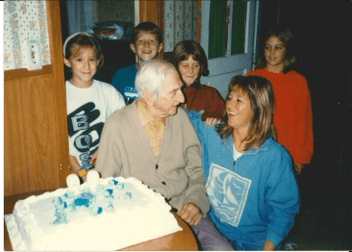
Sharon D’Aquila grew up two houses from her grandfather. He was a fixture of her childhood—close enough to walk to, present enough to be counted on. When Alzheimer’s began to change him, the family adapted the way families do: quietly, incrementally, doing more without calling it caregiving because that’s not what it felt like. It felt like love.
Every evening, Sharon and her young sons would walk her grandfather home. They watched over him the way you watch over someone you cannot imagine losing. And for a while, that was enough.
Then it wasn’t.
When it became clear he needed more care than the family could give, Sharon did what most families do in that moment: she started making calls she didn’t know how to make. She contacted the hospital. She reached out to social workers. She called agencies. She pieced together a path from scratch, without a guide, making her best decisions with the information she could find, hoping she was getting it right.
She kept her grandfather home for five years. Looking back, she believes that’s why he lived as long as he did…not because she had a perfect system, but because she refused to stop trying to find one.
What stayed with her, long after he was gone, was not just the grief of losing him. It was the memory of how hard it had been to find the right help. How confusing the system was. How alone she had felt navigating it. How much she had wished, during those exhausting years, that someone had simply told her: you are not the first family to travel this road, and here is exactly what happens next.
“If we needed help this badly, other families must too. That’s what got our wheels turning.”
That thought—quiet at first, then impossible to ignore—would become the founding belief of a company.
A business born at the dining room table
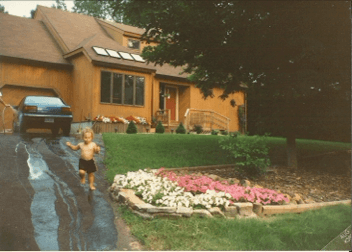
In 1996, Sharon and her husband Ron officially launched Assisted Living Home Care Services. The name described exactly what they intended to do: help people stay home, with support, for as long as possible. The mission was personal. The model was simple. The office was their dining room in Meriden, Connecticut…and eventually the room over the garage!
Their first caregivers—seven of them—came to the house to be hired. Schedules were written on index cards. Ron, who had spent his career in community health and emergency services, brought a deep understanding of what families in crisis actually needed. Sharon brought something equally important: the lived experience of being one of them.
From the beginning, the company operated on a principle that had no written policy behind it, because it didn’t need one. If a caregiver couldn’t make a shift, someone from the family went instead. If that meant Sharon putting the kids in the car at 11 o’clock at night and driving to a client’s home to make sure an elderly person got to bed safely, that is what happened. Not because it was required. Because it was unthinkable not to show up for a family in need.
That instinct—the one that says a family in your care is your responsibility, full stop—was not a policy. It was a value. And it would prove to be the most durable thing the company ever built.
“We didn’t let a client go without service. We didn’t have the heart.”
Ron and Sharon built the company the way they had navigated Sharon’s grandfather’s care: one careful decision at a time, guided by what they knew the families they served actually needed. Not a sales pitch. Not a brochure. A guide. Someone who had already been down the road and would not leave you to travel it alone.
What happens when you don't give up
Building a home care company from scratch, in the years before the internet made everything searchable and before the senior care industry had consolidated into its current shape, required a particular kind of persistence. The kind that doesn’t distinguish between a hard day and a reason to stop.
Ron and Sharon had that. So did the team they were slowly, carefully building around them.
The early years of Assisted Living Home Care Services were years of doing everything the hard way, because there was no other way to do it. Referrals came from hospitals, from discharge planners, from social workers who had met Ron through his years in community health and trusted him when he said his company would not let a family down. Each client was someone’s parent, someone’s spouse, someone’s reason for calling at midnight. That fact never became routine.
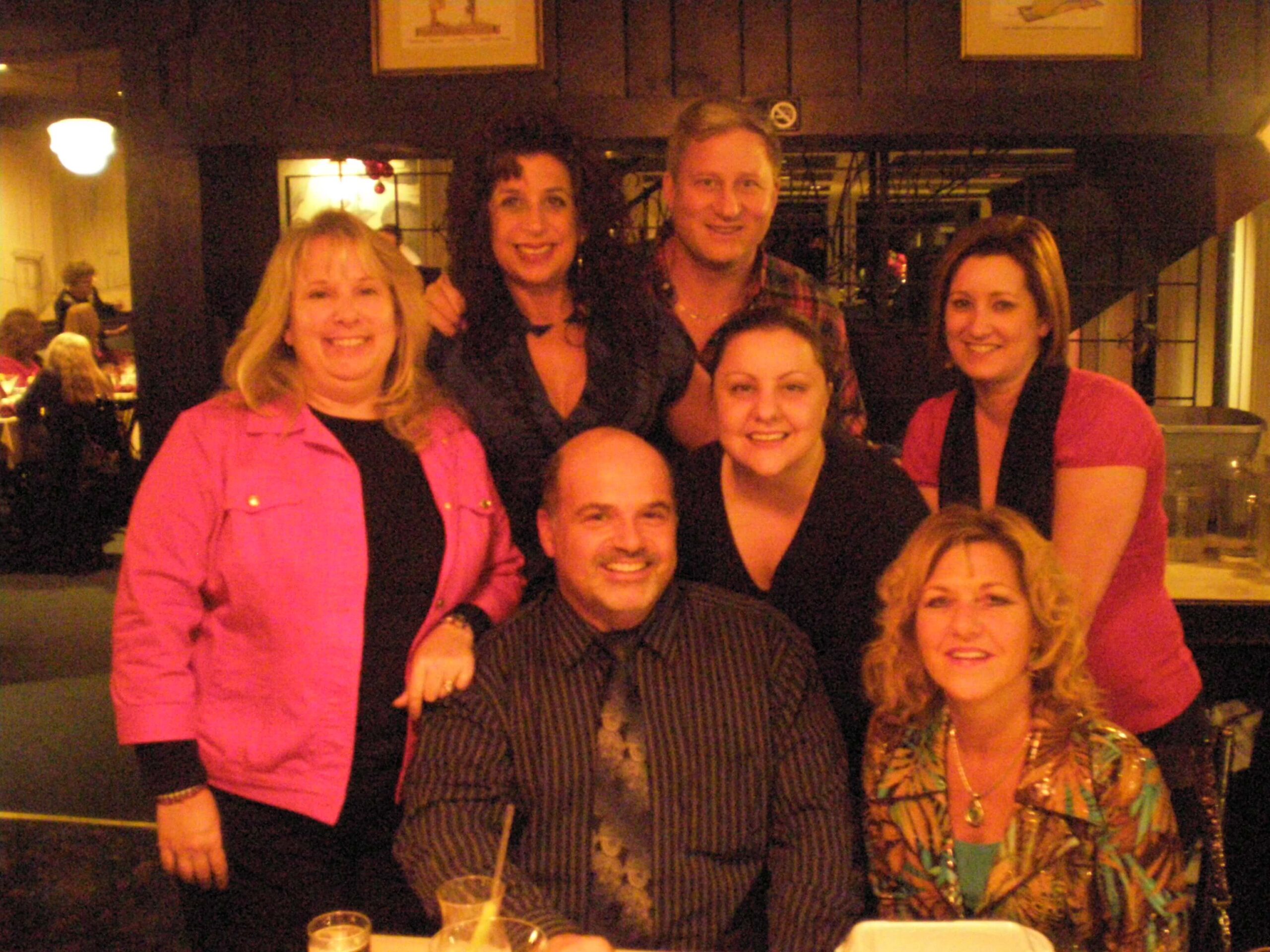
As the company grew, so did the team. Tom Daly joined in 2004, bringing more than a decade of experience from Gaylord Hospital and a commitment to quality assurance that would shape the company’s care standards for years to come. Others followed: people who stayed not because the work was easy, but because what they were doing mattered.
The D’Aquila sons, Mario and Nick, grew up alongside the business. They watched their parents navigate every challenge the industry could offer: staffing shortages, regulatory changes, the particular difficulty of maintaining quality at scale without losing the intimacy that made families trust you in the first place. They absorbed it all. They would need it later.
The technology track
By 2010, Assisted Living Home Care Services had grown into one of Connecticut’s most respected home care agencies. The D’Aquila family had earned that standing the slow way: by showing up, by never letting a family down, by building a culture where going further than expected was simply the baseline.
But Ron and Sharon had been thinking about a problem that no amount of caregiving hours could fully solve. The hours between visits. The nights. The moments when a senior was alone and a family member, miles away, had no way of knowing whether everything was all right.
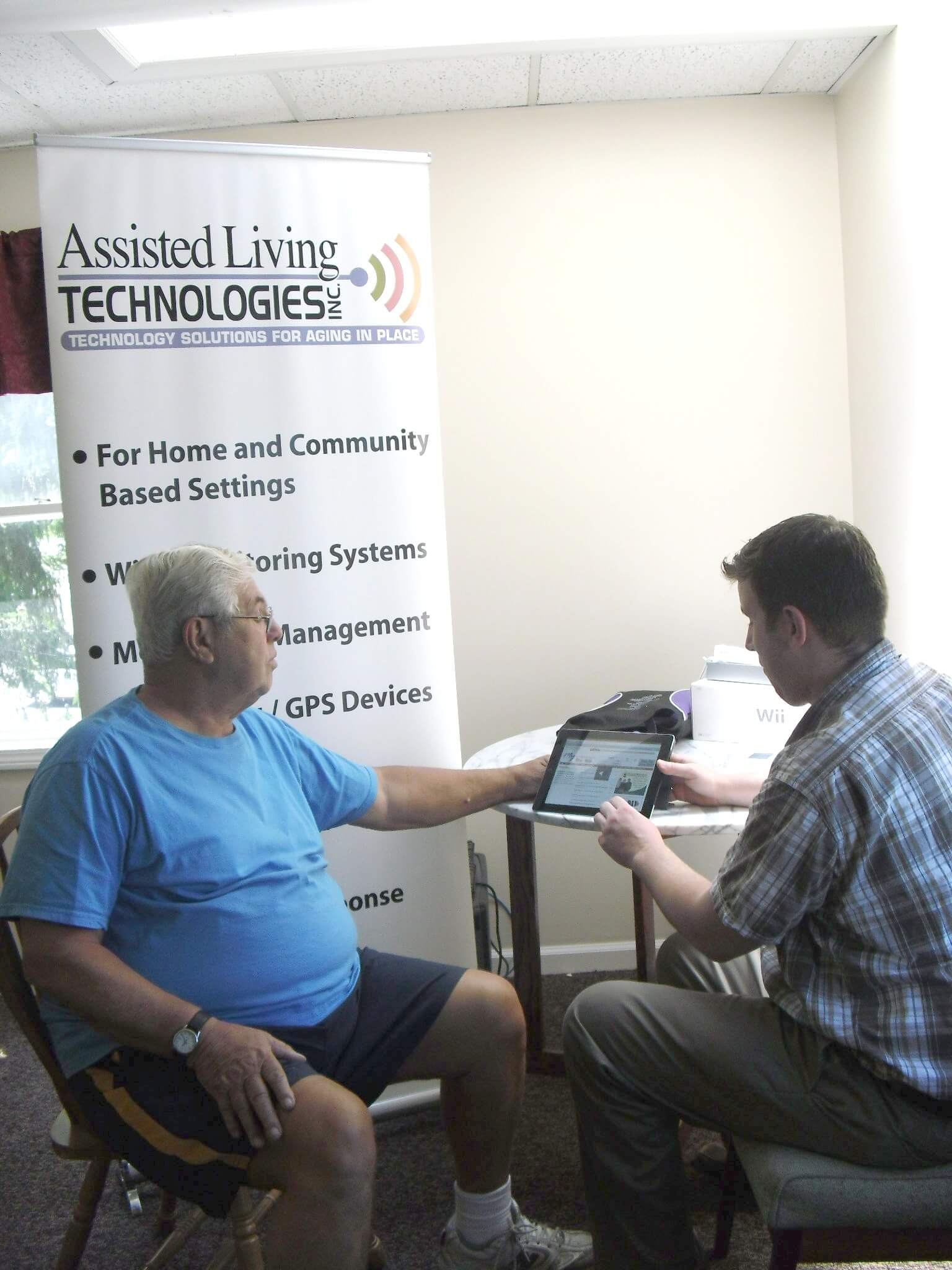
In 2010, the family launched Assisted Living Technologies, a sister company built on the belief that home care and home safety technology should not be separate things. If the mission was to help families keep their loved ones safely at home, then the work didn’t stop when the caregiver left. It continued, through technology that monitored, connected, and alerted, giving families the one thing no caregiver shift could provide around the clock: the ability to know.
Assisted Living Technologies has grown from its earliest days serving a handful of Connecticut families to thousands of subscribers across Connecticut and Massachusetts. It remains family-owned, family-operated, and guided by the same belief that started everything: that a family navigating this decision deserves every possible resource on their side.
“We built a technology company because we believed home care and home safety should work together. The caregiving doesn’t stop when the caregiver leaves.”
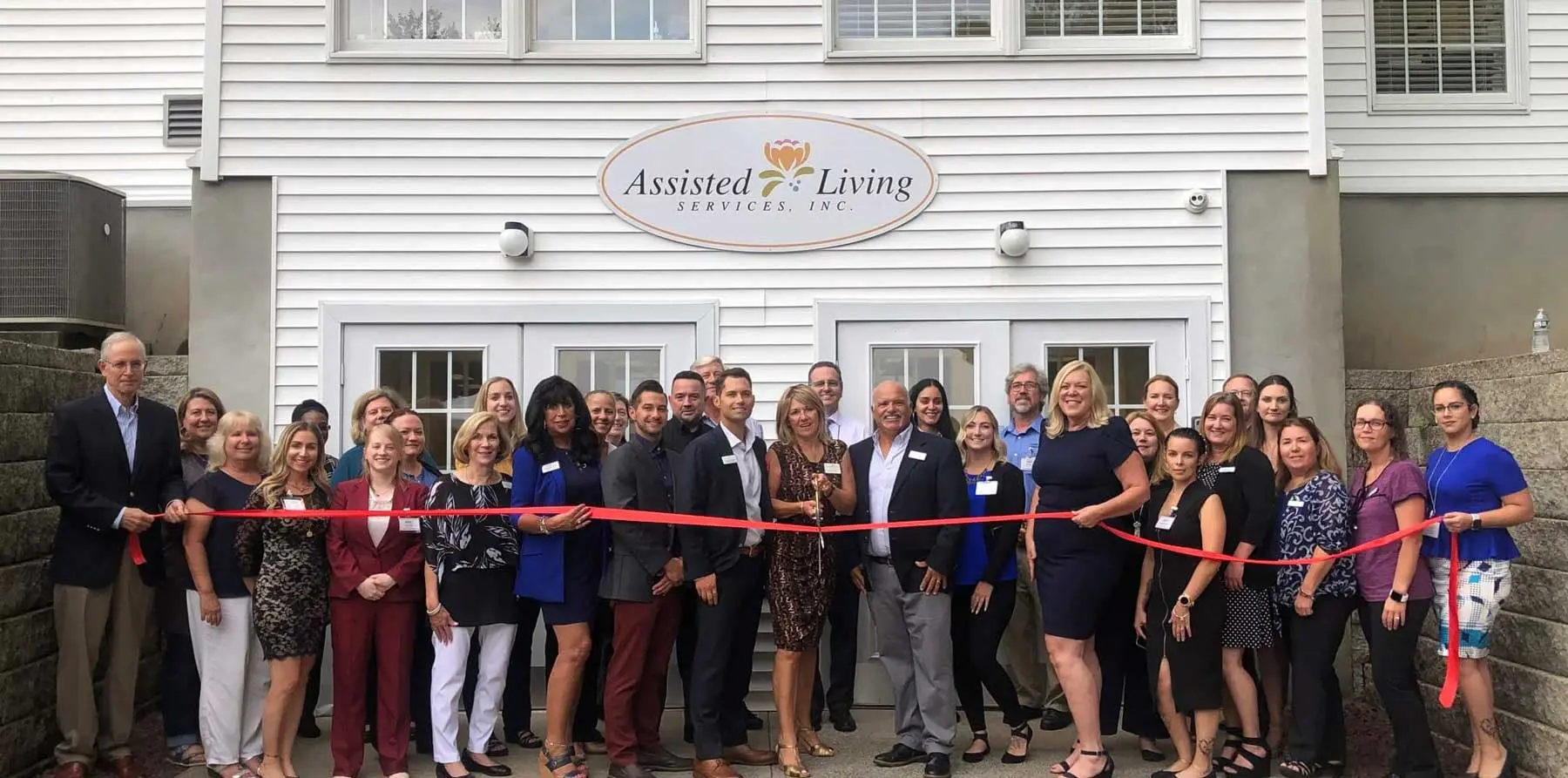
From the room above the garage to three offices
By 2010, Assisted Living Home Care Services had grown into one of Connecticut’s most respected home care agencies. The D’Aquila family had earned that standing the slow way: by showing up, by never letting a family down, by building a culture where going further than expected was simply the baseline.
But Ron and Sharon had been thinking about a problem that no amount of caregiving hours could fully solve. The hours between visits. The nights. The moments when a senior was alone and a family member, miles away, had no way of knowing whether everything was all right.
In 2010, the family launched Assisted Living Technologies, a sister company built on the belief that home care and home safety technology should not be separate things. If the mission was to help families keep their loved ones safely at home, then the work didn’t stop when the caregiver left. It continued, through technology that monitored, connected, and alerted, giving families the one thing no caregiver shift could provide around the clock: the ability to know.
Assisted Living Technologies has grown from its earliest days serving a handful of Connecticut families to thousands of subscribers across Connecticut and Massachusetts. It remains family-owned, family-operated, and guided by the same belief that started everything: that a family navigating this decision deserves every possible resource on their side.
“We built a technology company because we believed home care and home safety should work together. The caregiving doesn’t stop when the caregiver leaves.”
The people who make it their calling to go above and beyond
Any company can describe its culture. Few can actually live it.
At Assisted Living Home Care Services, the proof arrives in letters. In phone calls from families who want someone to know. In the quiet, remarkable fact that caregivers who joined the company in its early years are still on cases today—some of them for more than two decades.
The caregivers who work for ALS are not assigned. They are matched—to a client’s personality, to their daily rhythms, to the particular way they prefer their mornings and who they like to talk to and what they need to feel like themselves. That matching process is the result of 30 years of learning what actually makes care work, as opposed to what merely makes it adequate.
When Mario and Nick returned from a business conference in 2019 with a new conviction about what the company’s caregivers deserved, they built a recognition program around it. The Platinum Caregiver Program identifies and honors the caregivers who have gone furthest—not by internal metrics, but by the testimony of the families they serve. The only way to earn it is for a family to write about you. To describe, in their own words, what you did that nobody asked you to do.
Families do just that. Regularly.
They write about caregivers who baked birthday cakes…who took a client to a museum because he hadn’t been in years and it mattered to him…who showed up on their day off because they heard a client wasn’t doing well and wanted to check. They write letters that begin with, “She didn’t just care for my mother, she became part of our family…” …and end with words that are difficult to read without getting choked up.
It is not uncommon, in the 30-year history of this company, for a caregiver to be mentioned in an obituary alongside family members and close friends.
“That’s not staffing. That’s something else entirely.”
That something else is what Sharon D’Aquila set out to build in 1996, when she sat in her dining room and thought about all the families who were navigating what she had navigated, and decided they deserved better than what she had found.
What happens when you don't give up
There is a particular quality to a company that has lasted 30 years in the home care industry. It is not the size, though Assisted Living Home Care Services has grown considerably. It is not the awards, though the company has earned its share. It is not even the geography, though Connecticut and Massachusetts families now share the same access to the same extended family that started in a dining room in Meriden.
It is the consistency of the belief.
Every family that calls Assisted Living Home Care Services today encounters the same fundamental experience that Sharon intended from the beginning: someone who listens before suggesting anything. Someone who explains what happens next. Someone who has already walked the road you are about to walk and will not leave you to walk it alone.
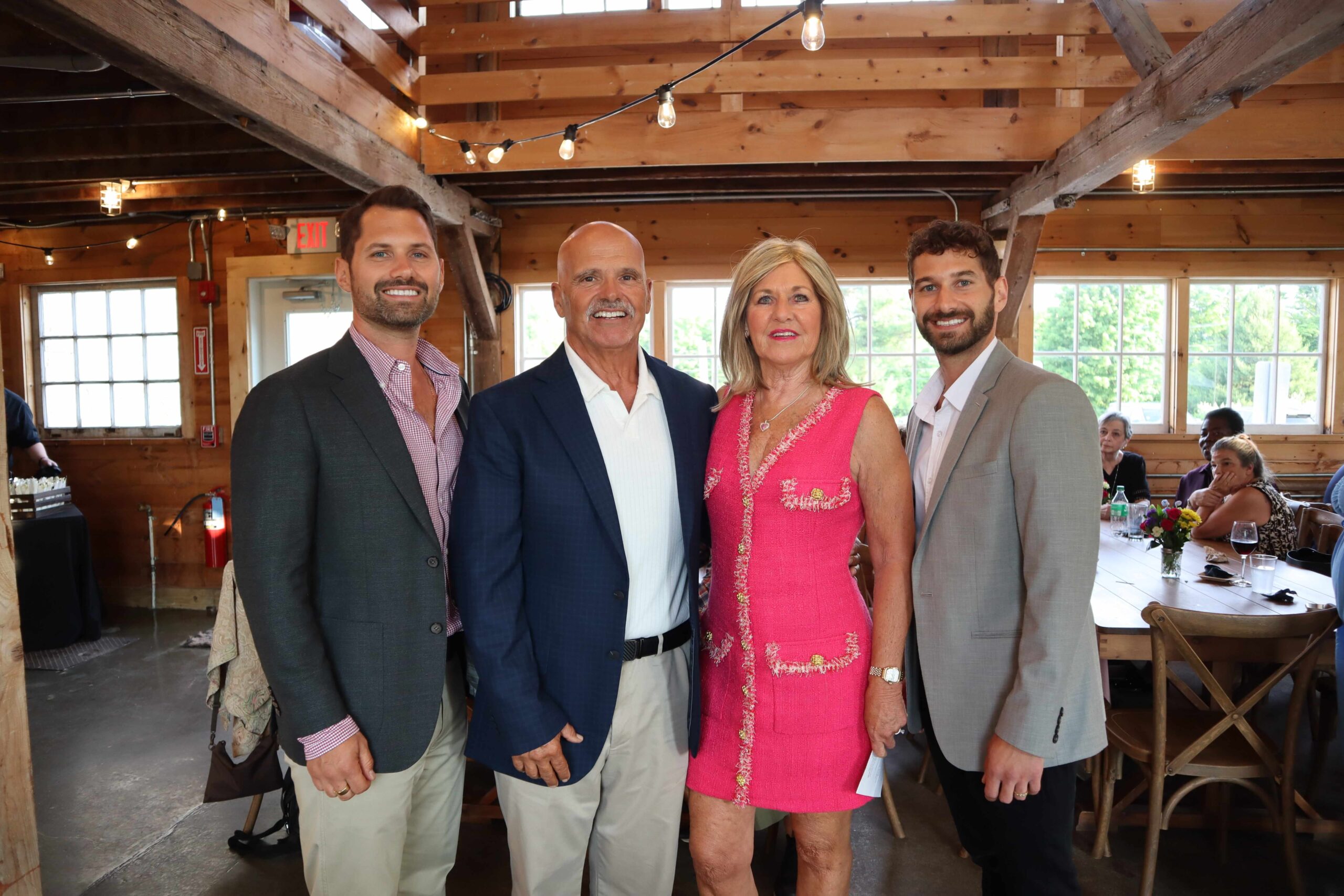
That experience is possible because of the culture Ron and Sharon built, and because of what Mario and Nick have carried forward. In fact, Ron attributes much of the company’s recent growth to his second-generation sons now carrying the baton forward for the decades that lie ahead: “As COO, Mario has been a driving force behind our growth and innovation strategies. Nick joined a few years after him and has contributed immeasurably to our technology and other expansion initiatives. They are both so motivated to think big and make sure we are always going above and beyond, both as a company and as a family!”
The two sons who once walked their great-grandfather home every evening, too young to know they were learning something that would shape three decades of work, now lead the operational and technological infrastructure of a company that serves thousands of families.
“Resilience and endurance. We’ve been through some serious stuff that really shakes you to your core, and to come out stronger…well, that’s practically a miracle.”
Mario’s words are not marketing language. They are the honest accounting of a family that has stayed in this work through everything the industry, the economy, and life itself could deliver. The business that survived its early years on index cards and personal sacrifice has outlasted recessions, a global pandemic, and every moment of doubt that comes with building something that genuinely matters.
When the family reflects on 30 years, they keep returning to the same word: family. Not as a brand attribute. As a description of what actually happened. The caregivers who became part of clients’ lives. The staff members who have spent their careers here. The clients’ families who called back when a sibling needed help, who referred a neighbor, who sent a letter years later to say they still think about the caregiver who made it possible for their mother to stay home.
That network of connection—family helping families, for 30 years—is the company’s most durable achievement. And it is, by design, unfinished.
“To look back and see that our core values as a family unit have carried that long…that really tells us something.”
Nick D’Aquila said that. Not about the first three decades. He was talking about the next 30 years.
The road ahead is the same road that started this. Somewhere tonight, a family is realizing that things have changed. Someone is making calls they don’t know how to make. Someone is trying to navigate a system that was never explained to them, doing their best for someone they love, wishing there were a guide.
There is.
There has been, in Connecticut and Massachusetts, for 30 years.
And the family that built it has no intention of stopping.
Assisted Living Home Care Services has been guiding Connecticut and Massachusetts families through the hardest care decisions of their lives since 1996. If you’re on that road right now—or just beginning to see it ahead—you don’t have to travel it alone.